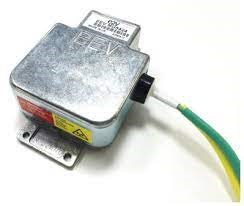
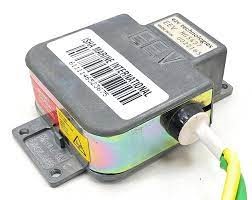
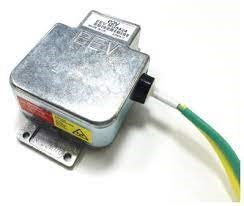
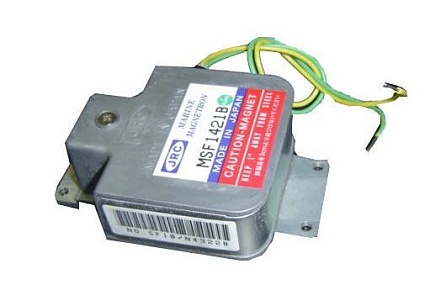
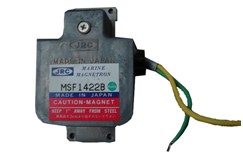
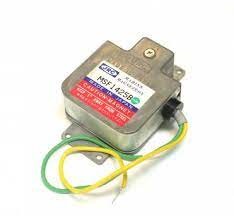
Magnetron marine radar: when to change and how to choose
The magnetron is a consumable, not a “lifetime” detail. It generates the resource gradually, and the radar does not turn off: the picture remains, just sees worse every month. That is why the magnetron wear is most often noticed late - when the target has already been missed.
What is he doing?
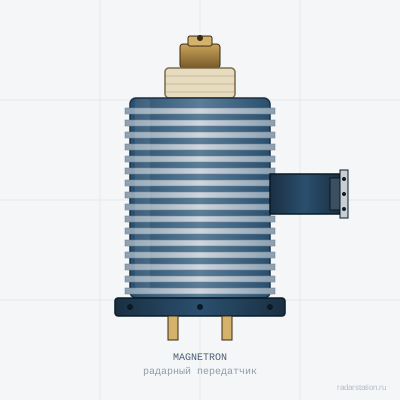
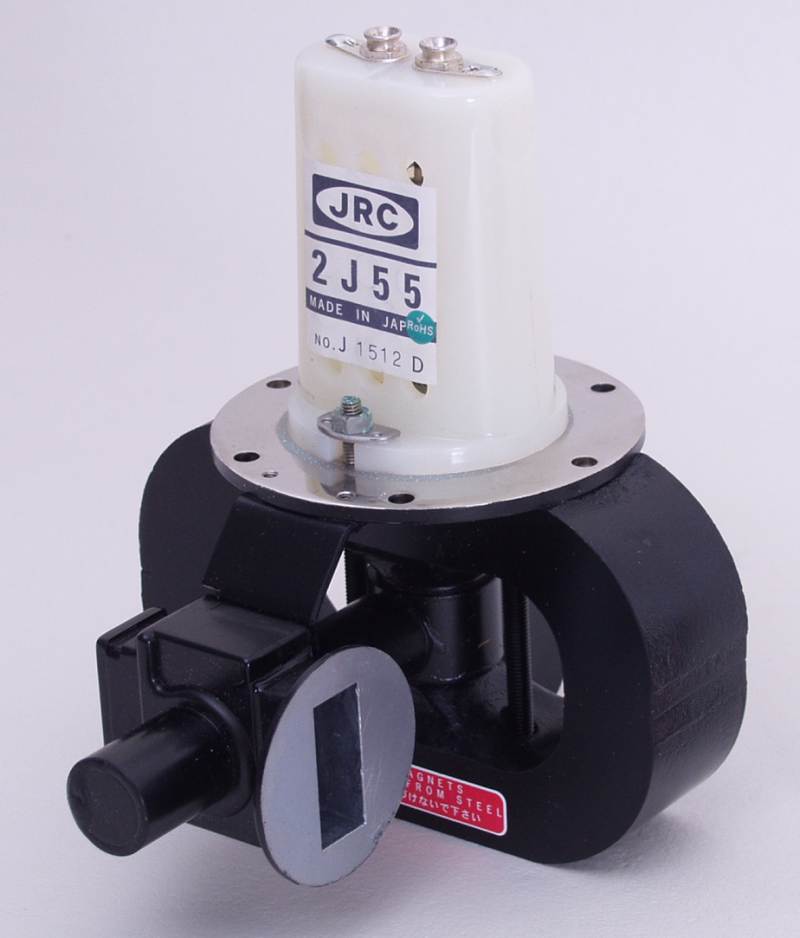
A magnetron is a probing pulse generator. The entire energy of the radar depends on it: how much power will go into the antenna and what reflected signal will return. The receiving tract can be completely corrected, but if the impulse is weak, weak goals simply will not respond.
X-Band and S-Band: Why there are two on the ship
The range of about 9.4 GHz (X-Band, 3-centimeter) gives high resolution at short distances: buoys, small ships, shore edge, mooring. The range of about 3 GHz (S-Band, 10-centimeter) is worse distinguishing small things, but is noticeably more resistant to rain and excitement and further "sees" large targets. On ships with two radars, this is not duplication, but separation of tasks, and their magnetrons are different – there is no interchangeability.
Signs that the magnetron is hooked
- Detection range dropped: the target used to appear at 12 miles, now 7-8, under the same setup and weather.
- Weak targets disappear: buoys, small ships - things that reflect little.
- The crew gradually raises the gain and cuts the interference more than before - getting used to the deterioration goes unnoticed.
- The difference between the two radars on the bridge is growing: one sees the target, the other does not.
It is useless to add amplification in such a situation: it is not the reflected signal that is amplified, but the receiver’s own noise. The screen becomes “snowy” and the targets do not become cleaner.
Resource and what reduces it
The magnetron's output is measured in hours of radiation, not hours when the radar is simply on. Waiting mode resource almost does not spend - train the watch to transfer the radar to standby in the parking lot, this is a direct savings. Reduce the resource frequent inclusions without warming up, work on the maximum scale without need and increased humidity in the transmitter unit.
How to find a replacement
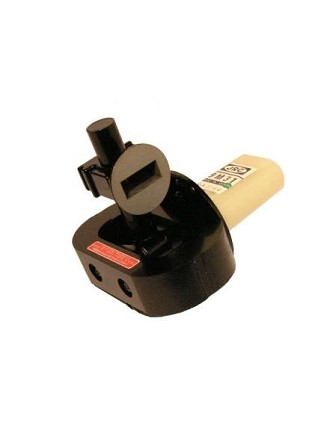
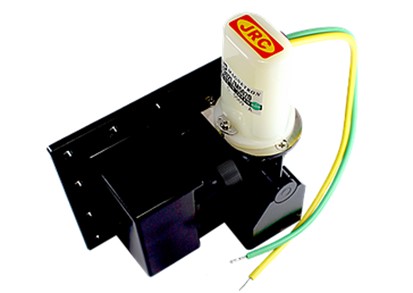
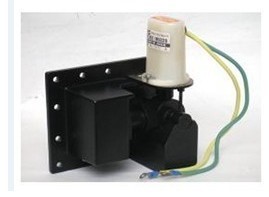
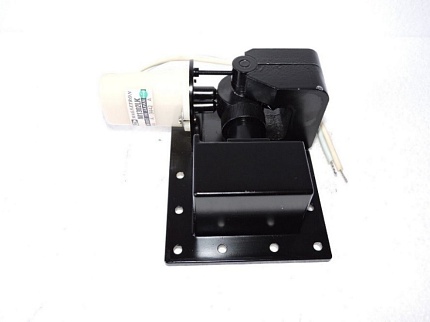
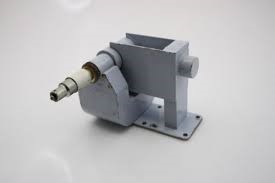
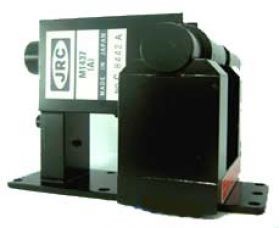
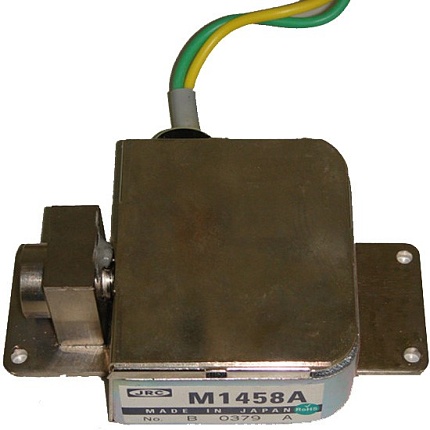
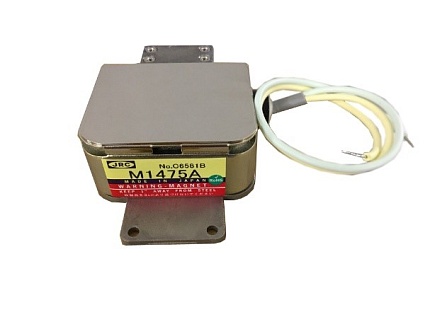
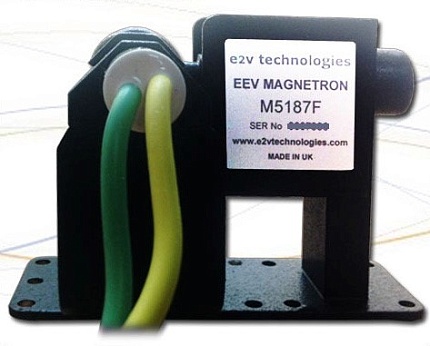
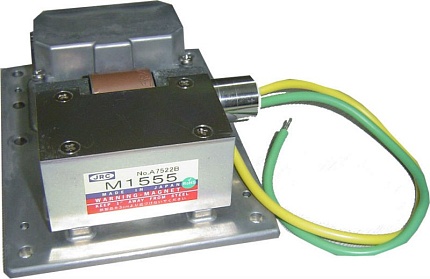
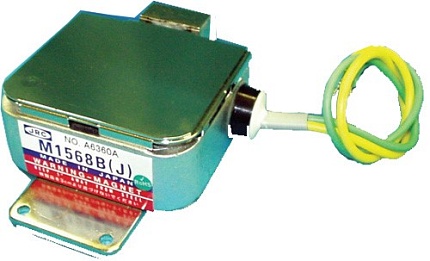
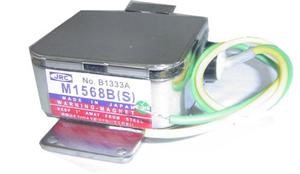
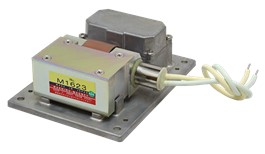
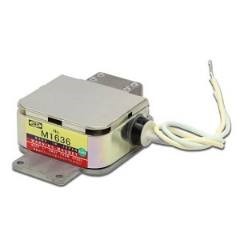
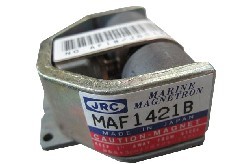
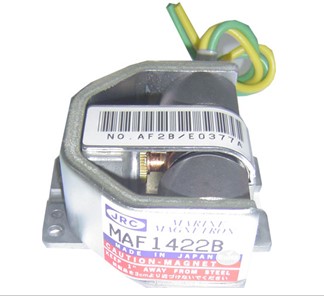
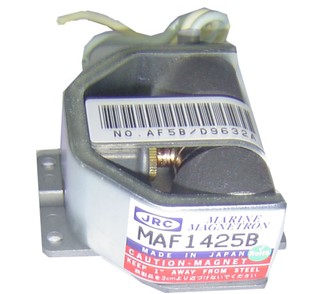
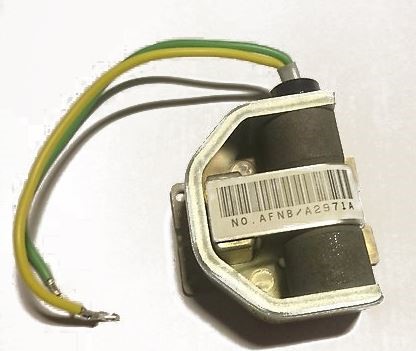
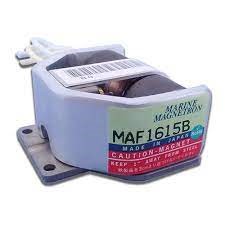
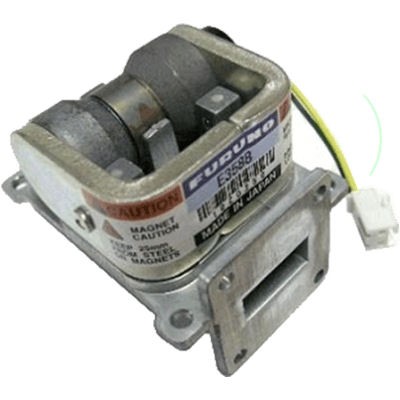
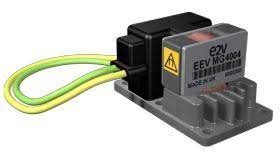
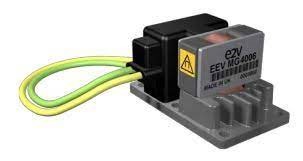
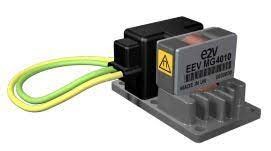
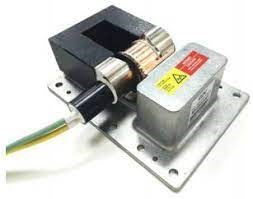
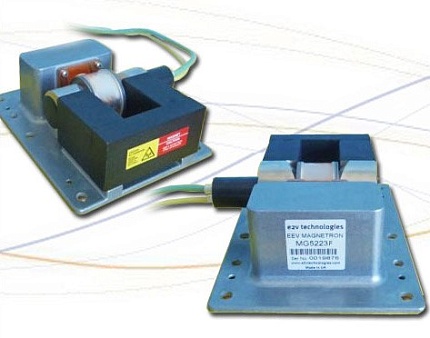
Only by the type of magnetron and radar model, and not by the "sight". Externally, similar devices differ in operating frequency, power in pulse, incandescent voltage and landing dimensions of the magnetic system. Putting “similar” is either the absence of radiation or the failure of the modulator. In the catalog, magnetrons are signed by the type: M1302A, M1302L, M1302LK, M1311L, M1437/M1437A, M1458A, M1475A, M1517N/M5187F, M1555, M1568b(J), M1568b(S), 2J55, 9M31.
What to do when replacing
Replace the seals of the waveguide tract, check the state of the magnetic system and contacts of incandescent, and after installation, be sure to heat up according to the radar instructions - a cold launch of a new magnetron at full power shortens his life from the first day. Do not throw away the old device immediately: it contains strong permanent magnets and in some cases is accepted in exchange.
Storage of spare parts
The spare magnetron is stored in factory packaging, away from steel objects and electronic media - the magnetic field is strong. On ships with long voyages, a spare device in the ZIP is justified: the failure of the magnetron on the voyage means working without a radar to the port.
How to order
Write the type of magnetron and the radar model - confirm compatibility, availability and time before shipment. If you don't know the type, send a photo of the transmitter's nameplate.