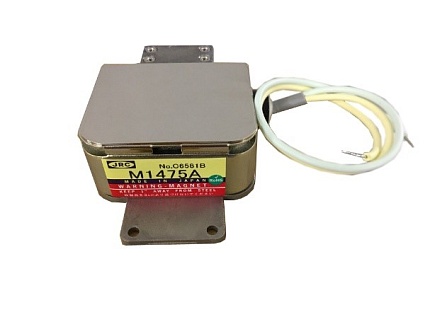
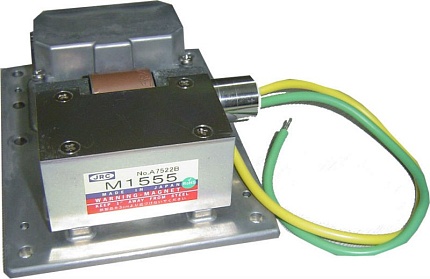
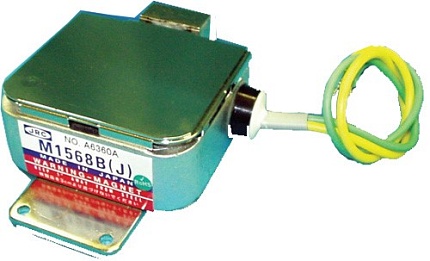
Course Repetitor: Why Duplicate the Course and Where It Goes on the Bridge
What is a course repeater and why you need it
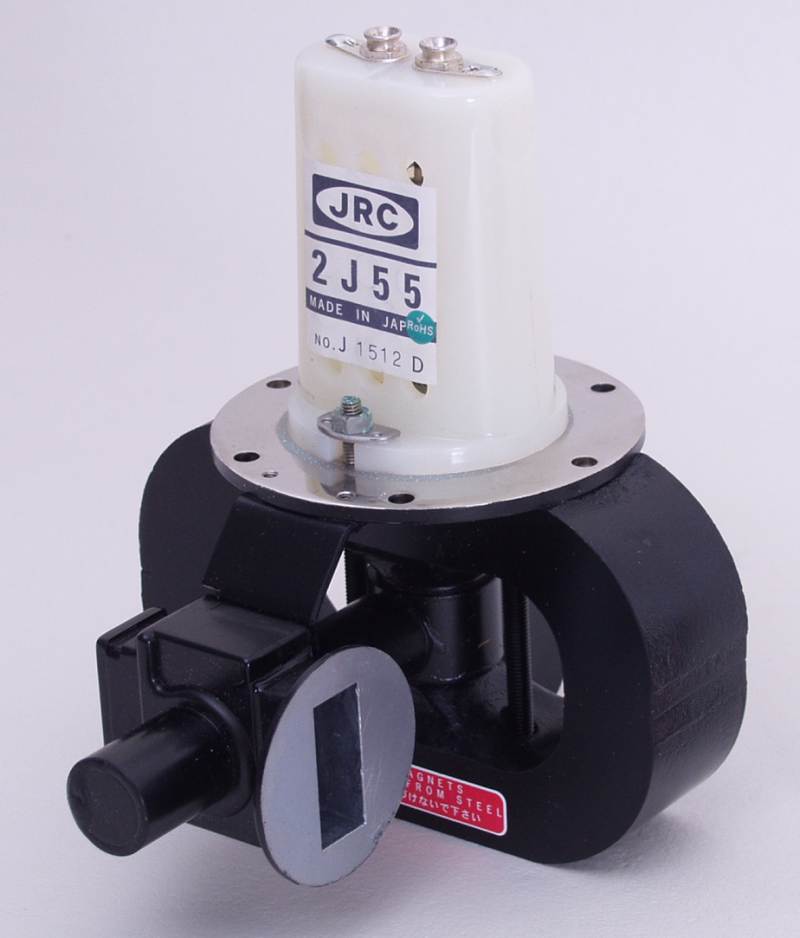
The gyrocompass stands where it is comfortable: closer to the center of the pitch, in an enclosed space, away from vibration. There's no one to look at him from there. Therefore, the course is displayed on separate pointers - repeaters - and put them where the course is needed by a person: at the helm, on the wing of the bridge, in the rumple.
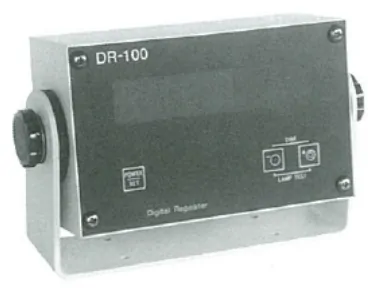
A repeater is not a second compass. He does not measure anything and does not know where the ship is looking. It shows the value that came to him along the line from the main device.
Hence an important consequence: if the repeaters diverged from each other, they are not looking for a “broken repeater”, but a break or failure in the transmission line. The device that has lost contact usually freezes at the last value, and this is the most dangerous condition - the arrow is standing, and the ship turns.
The repeter on the wing is needed for mooring and discrepancies in narrowness: there the course is read at a time when there is no time to look inside the cabin.
How the repeater of the course is different from the repeater of the picture
The image repeater duplicates the entire radar or mapplotter screen. It shows everything that the main device does and requires a video line.
The course repeater shows one number or one scale. It only needs a string of data, so it can be put where it is pointless to pull the video cable.
Different tasks: a repeater is needed by the second observer, a repeater by the steering officer. Replacing one with the other is a common mistake when converting a bridge.
Practical sign: if the device needs to show the goals and situation, it is a repeater. If you need him to keep the course, repeater.
How the course reaches from gyrocompass to consumers
Historically, the course was transmitted by a step line: the main device gave a sequence of pulses, the repeater worked them out with a synchronous motor. Such a line does not know the absolute value - only increments, and after a failure of power supply, the repeater must be coordinated again.
A modern line transmits a course by a data line over a serial interface. The line contains the value itself, so after a break, the device synchronizes itself as soon as the first parcel arrives.
On the real bridge most often live both circuits at the same time: old repeaters on the step line and a new digital bus on the radar, AIS and recorder. Between them is a converter, and it is usually a bottleneck when failures.
Who needs a course, except for the steering: radar - for orientation of the picture along the course and along the north, automatic identification equipment - for transmitting the course to the air, the auto-role - for holding, the recorder - for recording.
What's most often denied
Line. A break in one vein in a multi-core cable, an oxidized connector, a wire tightened under the screw without a tip. It manifests itself as a trembling of testimony or as fading on one meaning.
Repetitor power supply. The device on the wing is powered along a long line, and the voltage drawdown gives either a backlight failure or a complete failure.
Water. The open-wing repeater takes over everything, and the seal around the glass and cable input is an expendable detail, not a perpetual one.
A transducer between the old and new lines. It's standing in the closet, nobody remembers it, and when the technical guide of failure, it's the last one to check, although you need to check first.
Harmonization. After de-energizing the step line, the repeaters show the old value, and if this is not noticed on the exit, the discrepancy is detected already on the flight.
What is checked on delivery
Coincidence of all repeaters with the main device on several courses, not on one. The scatter shall be within the tolerance given for this equipment.
Behavior in de-energizing and restoring power supply: which devices are synchronized themselves, which require approval, and whether it is written in the instructions for the watch.
Availability of data loss alarm. A sign that does not show signs when a line is lost is worse than the one that is turned off.
Readability at night and in the sun: the backlight is adjustable, the scale is not glare, the numbers are visible from the workplace, not just up close.
All users of the course - radar, identification equipment, auto-tube, recorder - are checked in turn for data reception, not just "the device is turned on".
What to do once a year
Verify repeaters with the main device and record discrepancies with the date. One dimension says nothing, a number of dimensions show what is going away.
Examine cable inputs and seals on external devices, change seals before water gets inside.
Strip the terminals in the converter cabinet and check them for heating. Weakened contact warms long before it breaks.
Check the stock: lighting lamps, fuses, seals. The repeter on the wing fails not entirely, but in detail, and the presence of trifles in the ZIP solves the issue in half an hour, not a month.
Who receives testimony and from what source?
For the bridge of the bulk carrier on the Volga, make a diagram: the data source, the main indicator and additional display places. Each consumer is needed for their work task, so the request notes the model of the device, the required readings and the existing connection. Having a display by itself does not make it a suitable repeater of any source.
When replacing the device on a passenger ship Ladoga or a service boat in the Caspian Sea, photos of the panel and markings are useful. If the equipment is received in Astrakhan, the working area and the repair window are recorded separately from the required composition. Check the data format, connection and capabilities of a particular configuration; the same word “course” in the name of two devices does not confirm their interfacing.