A video archive server: storage capacity and the analysis queue
A company wants to retain recordings from its work sites and run agreed analysis on selected clips. These are two separate workloads: receiving and storing video, then processing analysis jobs. Server selection begins by measuring the source recordings and defining the results staff actually need.
Calculate from actual recordings
Specify the number of sources, recording schedule, retention period, audio and typical file sizes. For variable bitrate, a single datasheet value is insufficient: use examples from different operating periods. The official ffprobe tool reports container and individual stream information; the available fields depend on the file and format.
For an initial estimate, compare the received file size with its duration and inspect its streams. Give damaged files, incomplete intervals and missing sources distinct statuses. A catalogue entry does not establish that a recording can be opened and played.
State the assumptions behind the calculation
Illustrative example: eight continuous streams at 4 Mbit/s over 30 days produce 10 368 000 000 000 bytes, or 10.368 TB in decimal units. This calculation uses the stated average bitrate only, without additional audio, overhead or operating reserve. It is not a specification of the proposed machine.
Usable storage differs from the sum of drive capacities. Account separately for the selected redundancy scheme, free-space reserve, metadata and required copies in the quotation. Define the deletion policy and exceptions for retained clips before launch, so the stated retention period does not depend on undisclosed cleanup.
Analysis must not interfere with archive ingestion
For an AI job, define the input clip and required output, such as draft annotations for agreed categories of a production process. Processing every frame from every source is not always necessary. Agree on sampling frequency and checks for gaps according to the task, without promising universal event detection.
The queue retains a source reference, model version, parameters and attempt status. If a recording is deleted under the retention policy, its job must not continue to appear successfully verified. A rerun creates a traceable result; access to video and derived data is defined separately.
What to check before ordering
Prepare several real recordings, the intended retention period, the analysis window and examples of the required annotations. During the trial, test file retention and queue processing together, then open the sources and results. Account for dimensions, codecs and decoding when selecting hardware.
Specify the server, drives, accelerator, model and software using this trial. The ability to store video does not establish the throughput of the selected analysis. Retain reference clips for updates and compare job completeness, source availability and result usefulness, without presenting the server as a complete navigation or equipment-control system.
Questions before ordering
Can drives be selected from the camera count alone?
The actual stream rate, recording schedule, retention period, audio and selected storage scheme are also required. Reference files help verify the initial estimate.
Must AI analyse all video in real time?
That depends on the task. Processing selected clips in a separate queue can be agreed; test the workflow and performance on the actual equipment.
Primary source: FFmpeg ffprobe: container and stream information. The software documentation does not establish that it has been tested on the proposed server.
Server and project composition
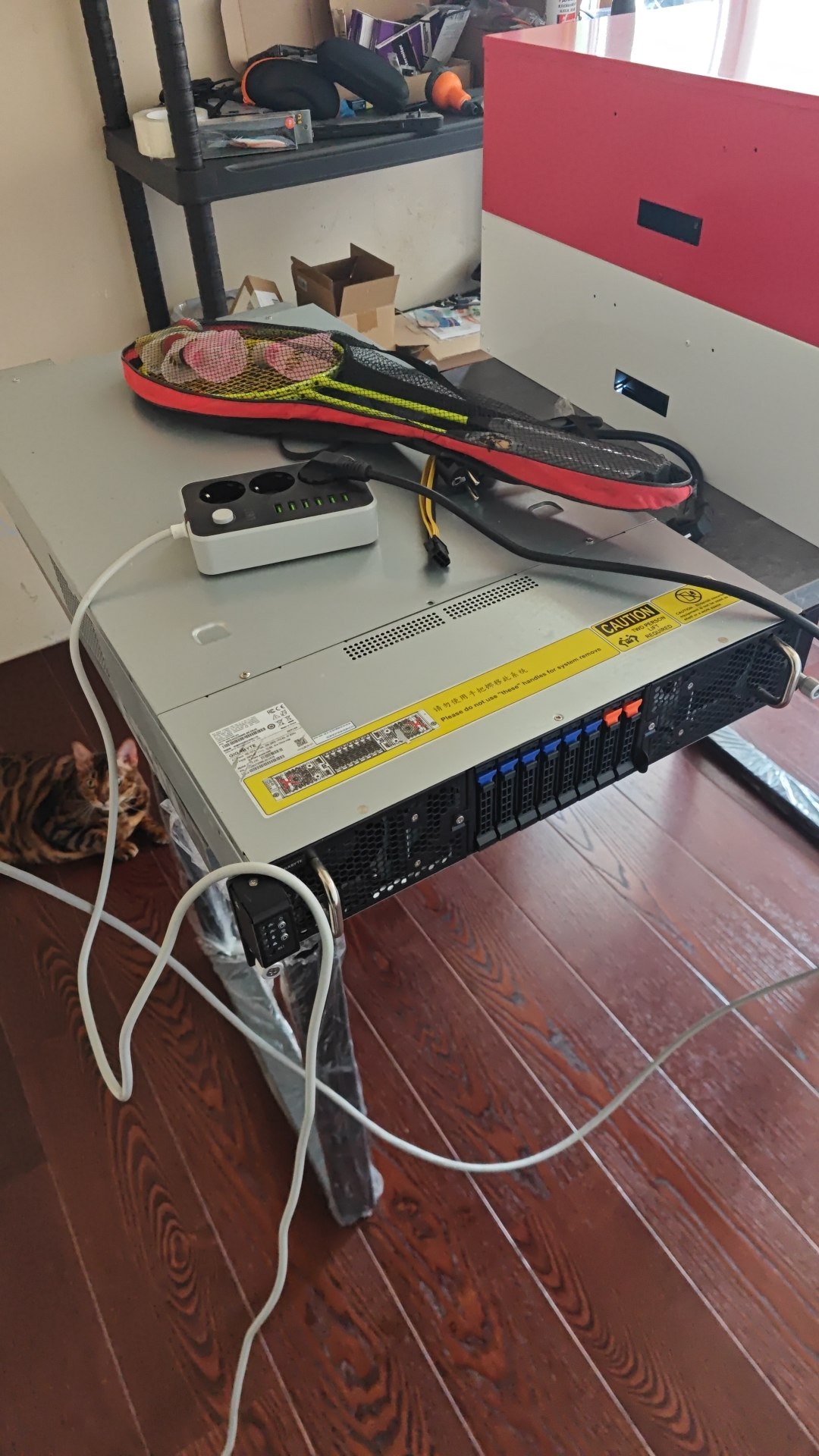
Basic quotation: “Superintellect” for the technical department – AI Server Manager 256. Ordering requires the exact CPUs, RAM, GPUs, storage, software versions and included services. The number in the product name does not establish memory capacity.
Other quotations: AI Server Manager 128 · AI Server Manager 384.
Price, availability and configuration are confirmed in the quotation. Delivery across Russia and Kazakhstan. Delivery cost and time are agreed according to the city and order contents. Confirm packaging, documents and the acceptance procedure.