Waveguide and antenna marine radar: what breaks and how it is seen on the screen
The screen tells you where to look.
A uniform drop in range across the board usually indicates a loss in the tract rather than a target.
If the worst is seen in only one sector, suspicion falls on shading or skewed antenna.
Regular dark spokes on the screen are most often associated with uneven rotation.
The bright spot in the center of the screen grows when the tract appears inhomogeneity close to the device.
Before changing expensive nodes, it is worth spending half an hour to inspect the waveguide.
Moisture is the main enemy of the waveguide
Inside the waveguide should be dry air, and any ingress of moisture immediately affects the range.
The water enters through the leaky flange, cracked seal or through the emitter itself.
The sign is simple: after rain or fog, the range drops noticeably and recovers in a day or two.
A silica gel dehumidifier requires a filler replacement, and it is usually remembered too late.
The color of the indicator silica gel is checked at each inspection, it is two minutes of work.
Flanches, gaskets and curves
The flange joint is tightened evenly cross-cross, otherwise there is a gap on one side.
The gasket is put a new one at each disassembly: the old one has already taken shape and will not compact again.
The dent on the waveguide changes its geometry, and it is not a cosmetic defect.
The inner walls should be clean: oxide and foreign particles give reflections inside the tract.
The fastening of the waveguide along the highway should not pull it into an arc at temperature movements.
The antenna and its rotation
Drive bearings wear out gradually, and the first symptom becomes an uneven course.
Screaming and jerking when spinning can be heard even before it becomes visible on the screen.
The lubricant is changed according to the regulations, and not when the knot began to make noise.
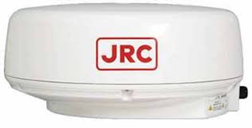
The fairing of the slit antenna cracks from ultraviolet light, and through the crack water goes inside.
The ice on the antenna in winter not only interferes with the signal, but also creates a load on the drive.
Rotating joint
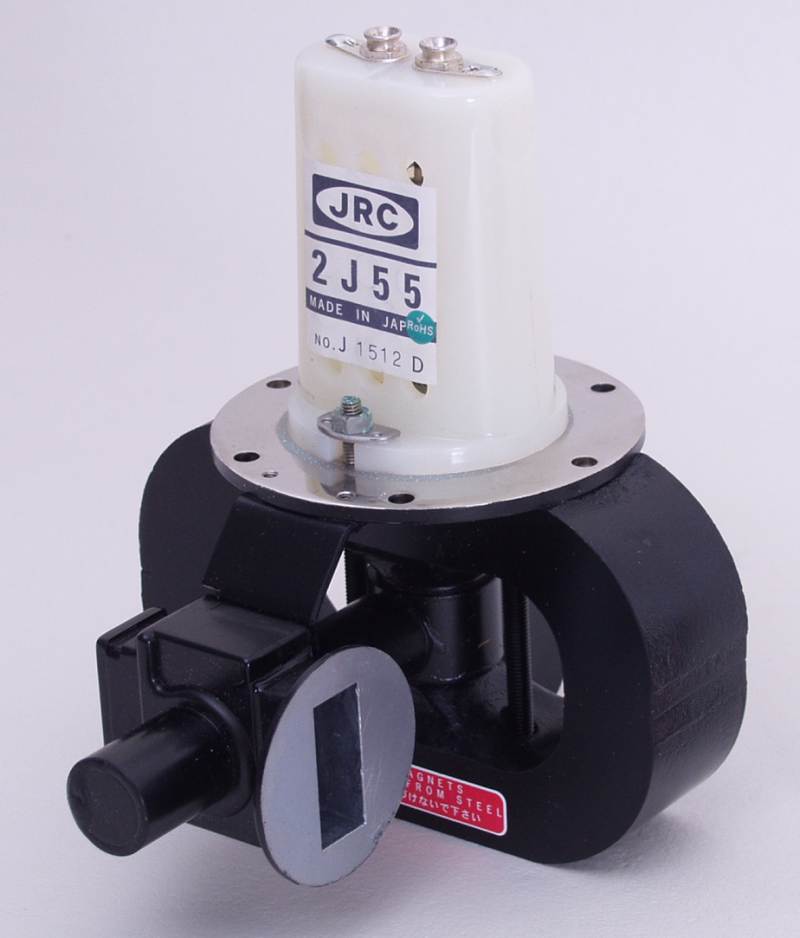
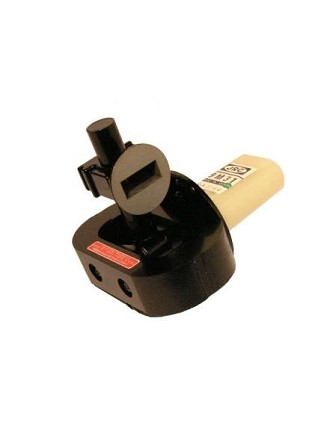
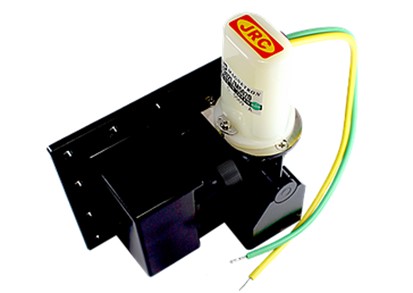
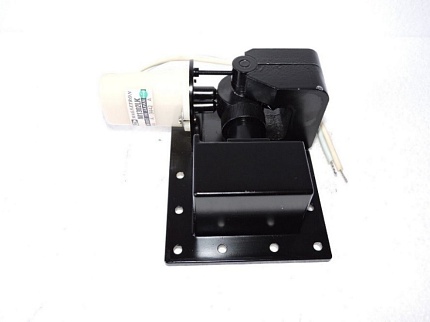
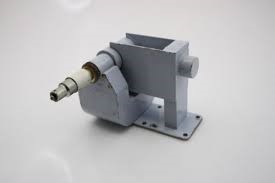
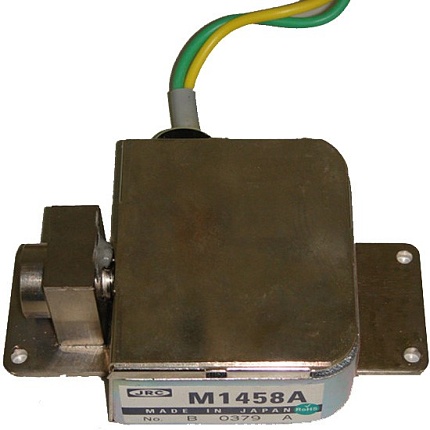
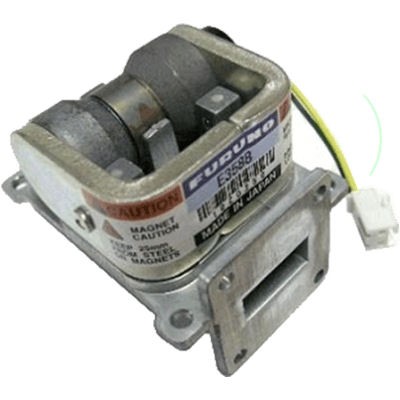
Between the fixed part of the path and the rotating antenna is a rotary connection.
This is the most loaded unit: it works at wear all the time while the radar is on.
Its wear gives a uniform loss of range and smoothly, so it is rarely noticed in time.
Check the change in power at the output and compared to previous measurements.
The replacement is planned in advance: the node does not belong to those that lie in the warehouse of each supplier.
Procedure for seasonal inspection
Start from above: fairing, antenna fastener, state of drive and lubrication.
Then they go down the waveguide from the antenna, checking each flange and each mount.
The dehumidifier and its filler look separately and change without regret.
Measure the output power and range according to a known reference point, not by sensation.
Everything is recorded in a journal: without past figures, gradual wear and tear cannot be distinguished from the norm.