JRC JMA-3300 Radar: Installation, Power Supply and Entry into Operation on a Ship
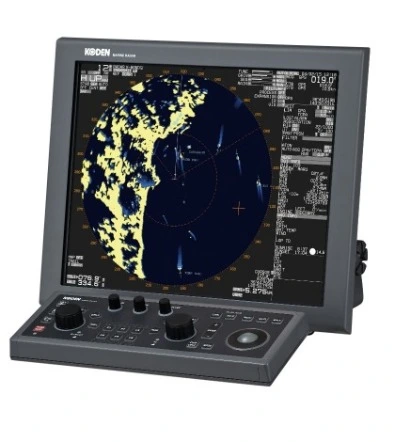
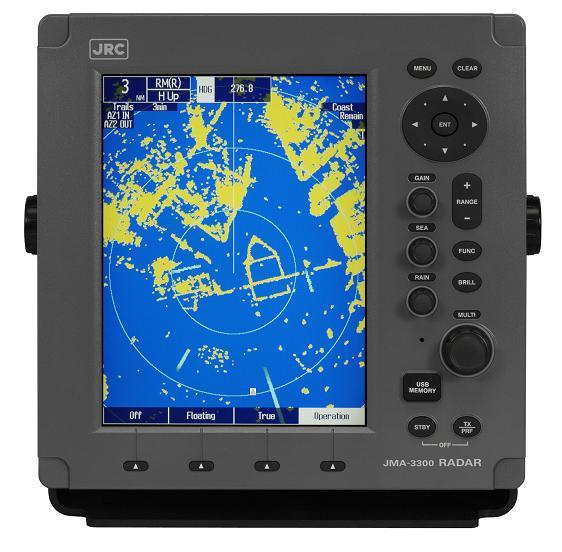
Radar JRC series JMA-3300 Comes to the ship in one compact unit: ultra-bright LCD display 10,4 Inch, keyboard and processor are assembled in one case. This changes the very approach to installation - you do not need to look for a place under a separate processor cabinet, it is enough to think through two nodes: an antenna installation on the mast and a post in the cabin.
What’s Inside and Why It Makes Installation Easy
The digital signal processing in the JMA-3300 is based on Semi-ConstaviewTM technology, the same technology used in larger JRC radars. It shows the true tracks of targets in Head-Up mode, without touching the fixed marks of the shore and islands. The control is designed to work in gloves: a rotary switch, individual GAIN, SEA and RAIN keys and four programmable buttons under the screen, which the watch assigns to its frequent operations.
Antenna: height, sector of rotation, neighborhood
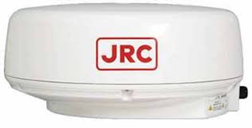
The location of the antenna determines what the radar will see. They put it above everything that stands on the ship: over the searchlight, over the loudspeakers, outside the sector where the cranes and masts close the view. Neighborhood with transmitting antennas - AIS, marine VHF - gives interference and false marks, so we carry them in height and horizontally. Each extra meter of cable between the antenna and the unit is a loss in the path, so the cable path is designed before the mounting point is selected, not after.
Power supply and cable
The radar is connected to the marine network through a separate machine so that the overload can be removed without touching the neighboring bridge devices. The cable leads away from the power lines of anchor and hold wiring, joints on the deck are performed in moisture-protected connectors. If there is a backup power supply in the cabin, the radar is turned on it: in an accident, this is one of two devices without which the ship should not leave.
Interfacing with the rest of the post
The radar itself shows reflections. The situation on the screen develops when the JMA-3300 receives a course from a compass and a tag from AIS and GNSS: without a course, the tracks of the targets “float away”, without AIS, the neighboring vessel remains just a point. Communication lines are laid by the same cable path, leaving markings on each connector in advance - this reduces any diagnostics on the flight from hours to minutes.
First setup on watch
Entering the work begins with warming up and checking for known purposes: lighthouse, buoy, shore edge on a familiar bearing. The rotary switch is set GAIN so that the background is barely visible, then SEA and RAIN under the excitement and precipitation. Frequent operations – measuring the range, setting a dangerous sector – are carried out on programmable keys so that on watch you do not climb into the menu.
What to check before the delivery of the ship
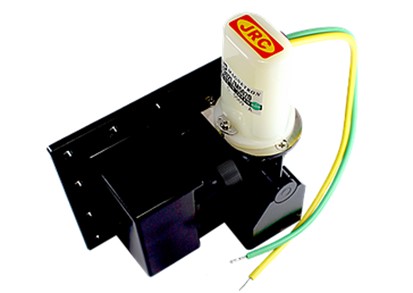
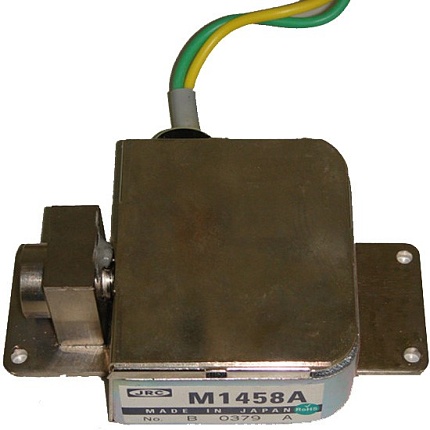
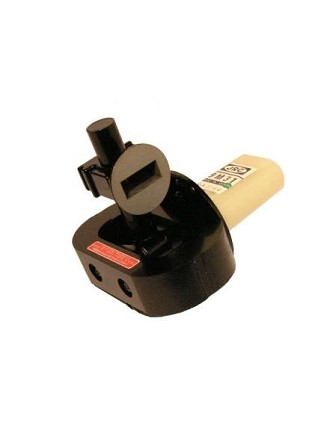
The inspector will not only look at documents. Check in advance: the state and mounting of the antenna, hatches and seals of the cable input, the lifetime of the magnetron - the real detection range depends on its energy, and the receiver will hear immediately. The selection of magnetrons and the rules of replacement are discussed in our magnetron, a compact version of the post. KODEN MDC-7912P radar.
How to order
Write a radar model and task - confirm the kit, availability and time before shipment. If you choose between several series, send the type of vessel and the navigation area, we will offer a configuration for your review.